Design a Dome
Build and decorate the domes and minarets of your own mosque with shapes, colours and Islamic patterns, for children aged 5 to 9.
Start with a 7-day free trial.
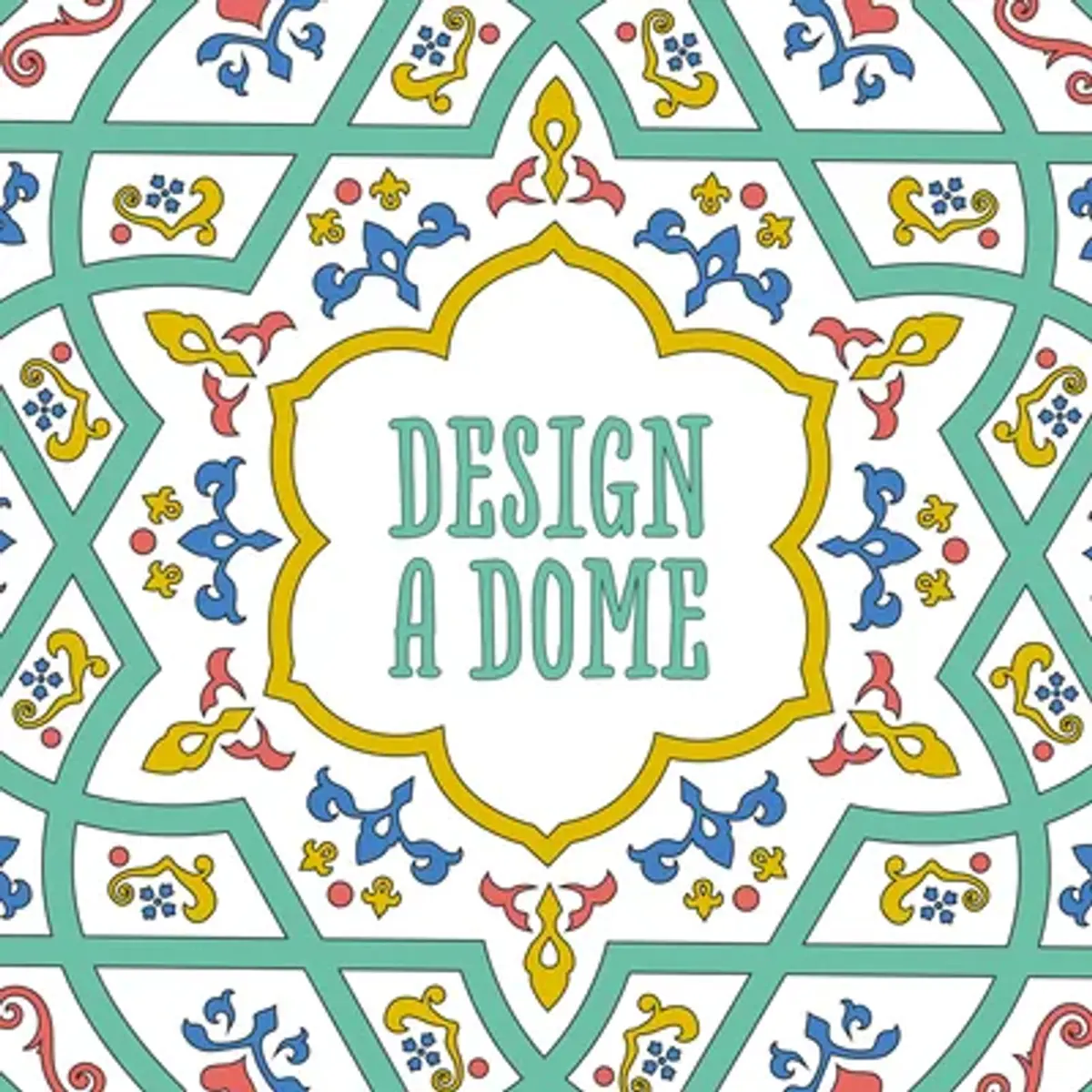
Take a look inside
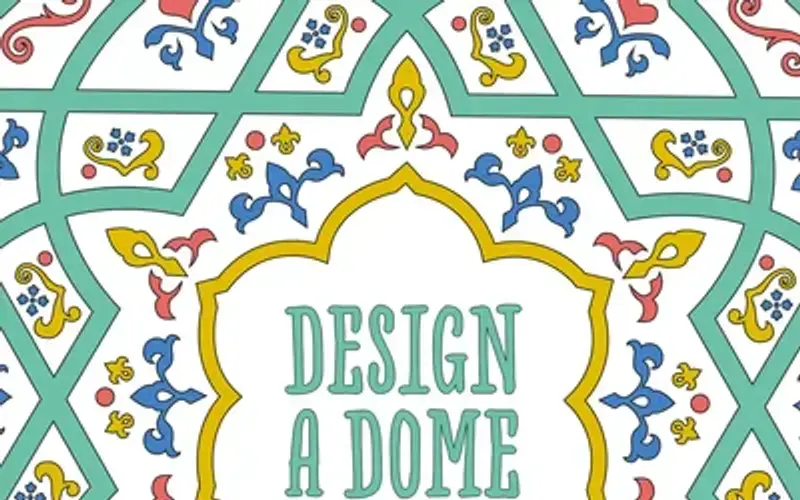
What is Design a Dome about?
Design a Dome is an Islamic learning game for children aged 5 to 9 in which they build and decorate their own mosque, from the dome and minarets to the tiles on the walls.
Children choose the shape of the dome, fit the arches together, and fill the walls with the star and flower patterns found in mosques all over the world. Along the way they learn the names of the parts of a mosque, such as the mihrab and the minbar, and what each one is for.
The game practises shapes, symmetry and pattern-making, and it gives children a reason to look closely the next time they visit a mosque. There are no ads, no timers and no wrong answers.
What your child will learn
- Mosques around the world share the same parts, each with a purpose.
- Islamic art uses patterns and shapes rather than pictures of people.
- A mosque is a place for the whole community.
How to play
- Pick the shape of your mosque's dome.
- Drag the arches, minarets and doors into place.
- Fill the walls and dome with patterns and colours.
- Tap each part of the mosque to hear its name and what it is for.
Skills practised
- Shape recognition
- Symmetry and pattern-making
- Islamic vocabulary
- Fine motor control
Talk about it afterwards
- Which part of the mosque did you like building best?
- What is the mihrab for?
- Next time we visit the mosque, what patterns can you find?
Words to know
- Mihrab
- The niche in the wall that shows the direction of the Kaaba.
- Minbar
- The steps the imam stands on to give the Friday sermon.
- Minaret
- The tall tower the call to prayer was made from.
Frequently asked questions
What age is Design a Dome suitable for?
Children aged 5 to 9. Younger children enjoy the colours and shapes, and older children plan their own patterns.
What does Design a Dome teach children?
The parts of a mosque and what each is for, and the shapes and symmetry of Islamic patterns.