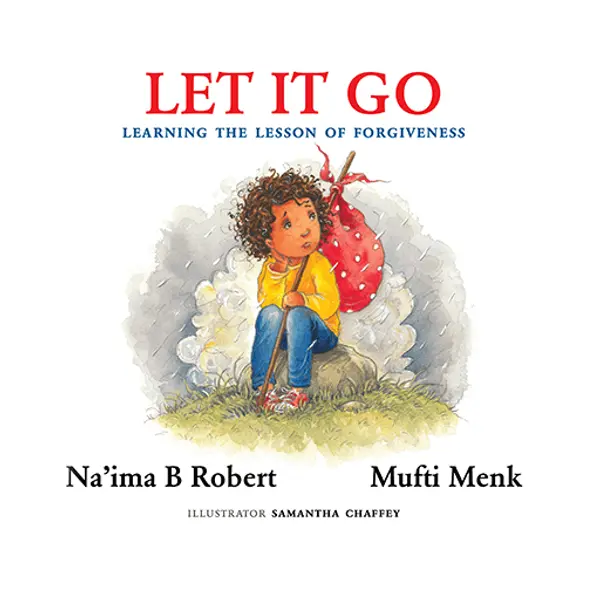
Let It Go
A boy's bad day makes his heart heavier and heavier until he learns to forgive and let go, in a picture book for children aged 4 to 9.
Start with a 7-day free trial.
What is Let It Go about?
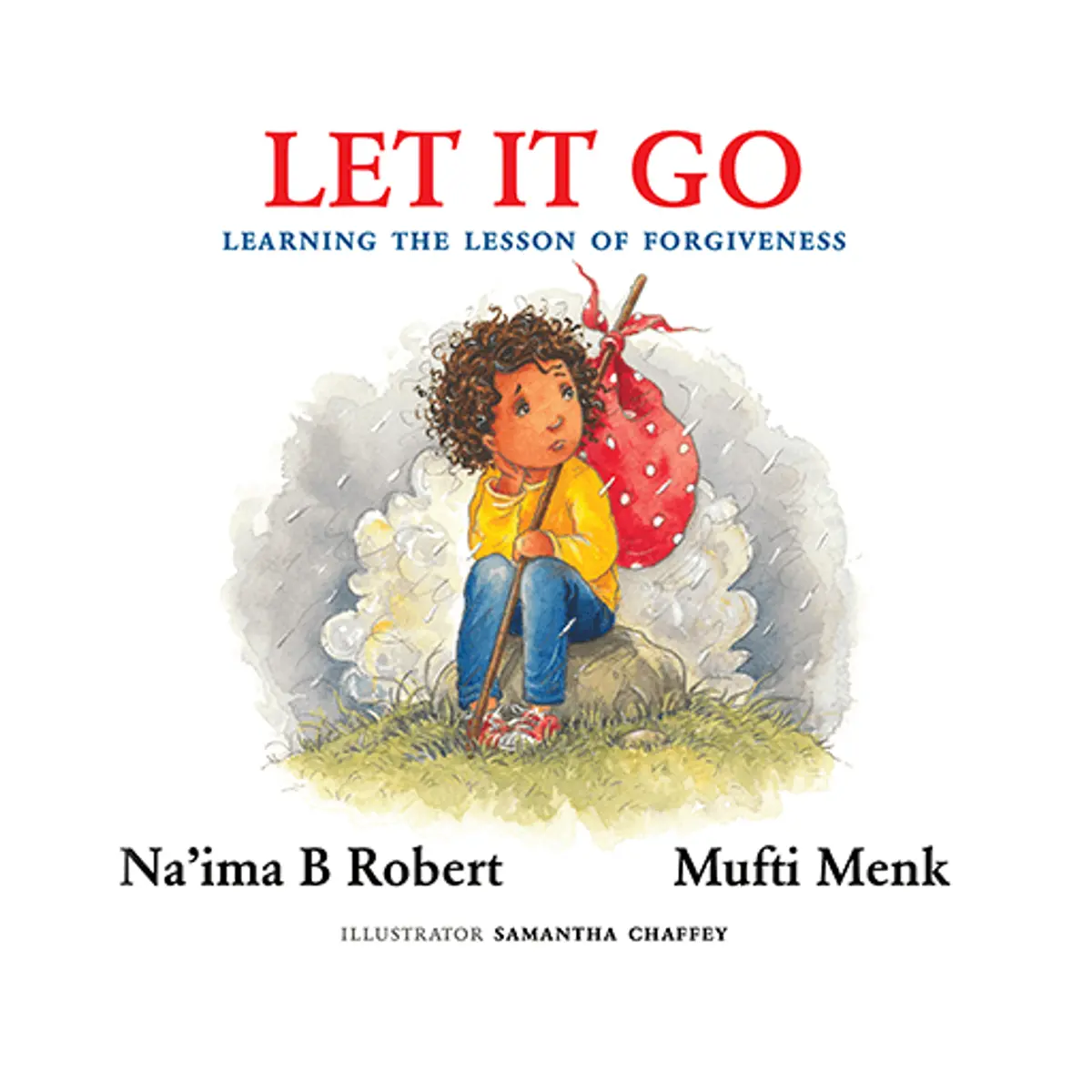
Let It Go is an Islamic picture book for children aged 4 to 9 about forgiveness: a boy whose frustrating day makes him angrier and angrier, until he learns that letting go makes his heart feel light again.
The day starts well, but his sister eats the last piece of toast. At school his friends make up a new game with no space for him. After school his neighbour kicks the football too far, a car comes, and pop, the ball is gone. At supper his big brother laughs at the story of his terrible day. Each time the book asks how he feels when things go wrong, and offers the words that could make it better: I'm sorry. I didn't know. I didn't mean it. Will you forgive me? But each time he does not want to let go, and his heart gets heavier. At bedtime he picks on his sister and makes her cry, and he does not even know why.
Lying in the dark, he thinks it over. We all make mistakes, and forgiving is not a weakness: it takes a strong person to let go. Forgiving is like taking off a heavy bag he has carried all day. He says Astaghfirullah, and Alhamdulillah for a new day tomorrow.
Inspired by the words of Mufti Menk and written by Na'ima B Robert, the book helps children name their feelings and cope with them. It is illustrated by Samantha Chaffey.
What your child will learn
- Forgiving others is not a weakness; it takes a strong person to let go.
- Holding on to hurt makes our heart feel heavy.
- Everyone makes mistakes, and saying sorry can make things better.
- We can ask Allah's forgiveness and go to sleep with a clean heart.
The story of Let It Go
A day that went wrong
It was morning, and there were so many wonderful things to do and to see. The boy woke up happy, with a whole new day waiting for him. Breakfast was the meal he loved most, but his sister got there before him and ate the last piece of toast.
How do you feel when things don't go your way? The book gives an answer: let "I'm sorry" make it better, and let it go. But he did not want to let go. He wanted to hold on, and his heart felt heavy as the day went on.
At school, his friends were busy making up a brand new game. There was no space for him, and they did not even call his name. How do you feel when you are left out? Let "I didn't know" make it better, and let it go. But he wanted to hold on, and his heart grew heavier.
After school, his neighbour came over, and they played football on the lawn. But his neighbour kicked the ball too far. Here came a car, and pop! The ball was gone. How do you feel when someone makes a mistake and you lose something you really like? Let "I didn't mean it" make it better, and let it go. But still he held on, and his heart grew heavier still.
At supper, he told everyone the story of the terrible day he had had. But all his big brother did was laugh, and that made him feel so bad. How do you feel when someone makes fun of you? Let "Will you forgive me?" make it better, and let it go. But he did not want to, and his heart felt heavier than ever.
Bedtime
At bedtime, he picked on his sister, and she started to cry. He had not really meant to hurt her. He was upset, and he did not know why. Now he was the one who needed the words: "I'm sorry. I didn't mean it. I didn't know. Will you forgive me?"
When the lights went out, he lay thinking, and the events of the day ran through his mind. He searched for a reason, a wisdom, and this is what he found. Not everyone is nice and kind and makes us feel good all the time. But one thing is certain: we can all make mistakes some days. Forgiving is not a weakness. It takes a strong person to let go.
As he thought about what he now knew, he felt his heart getting lighter. Forgiving was like taking off a heavy bag that he had been carrying all day long. And so he let go. "Astaghfirullah," he said. Tomorrow would be a new day. "Alhamdulillah."
The book ends with advice for every child: always sleep with a clean heart. Wipe away the bad things that happened in the day, forgive the people who have hurt you, repent, and remember Allah always.
Find more stories about forgiveness, family and friendship.
Talk about it afterwards
- How did the boy's heart feel as his day went on, and why?
- Which part of his day would have upset you the most?
- Why do you think he picked on his sister at bedtime?
- What does it mean to let something go?
- Is there anyone you could forgive today?
Words to know
- Astaghfirullah
- I ask Allah to forgive me.
- Alhamdulillah
- All praise is for Allah, said to thank Him.
Frequently asked questions
What age is Let It Go suitable for?
Children aged 4 to 9. It follows one boy's feelings through an ordinary bad day, so children can easily see themselves in it.
What does Let It Go teach children?
That holding on to hurt makes our heart heavy, that everyone makes mistakes, and that forgiving takes strength and makes us feel lighter.
How long is Let It Go?
About 4 minutes to read aloud.
Who wrote Let It Go?
Na'ima B Robert wrote it, inspired by the words of Mufti Menk, and Samantha Chaffey illustrated it.