We Are Muslim
Asked at school why she is Muslim, Hanna learns about her faith from her parents and grandparents over one weekend, in a picture book for ages 4 to 9.
Start with a 7-day free trial.
What is We Are Muslim about?
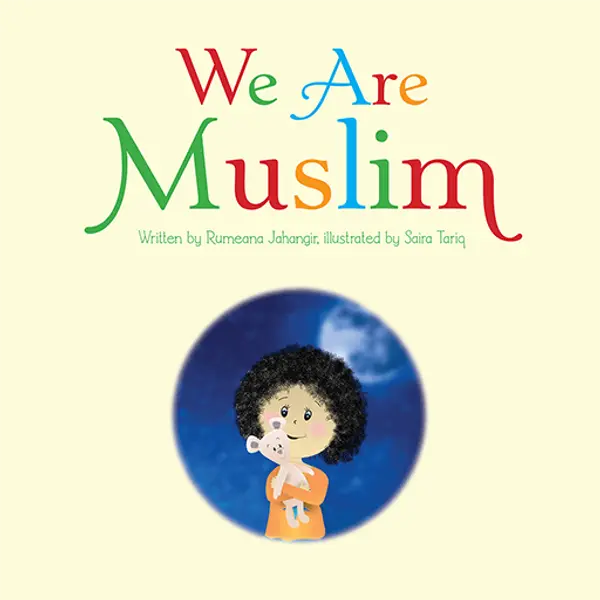
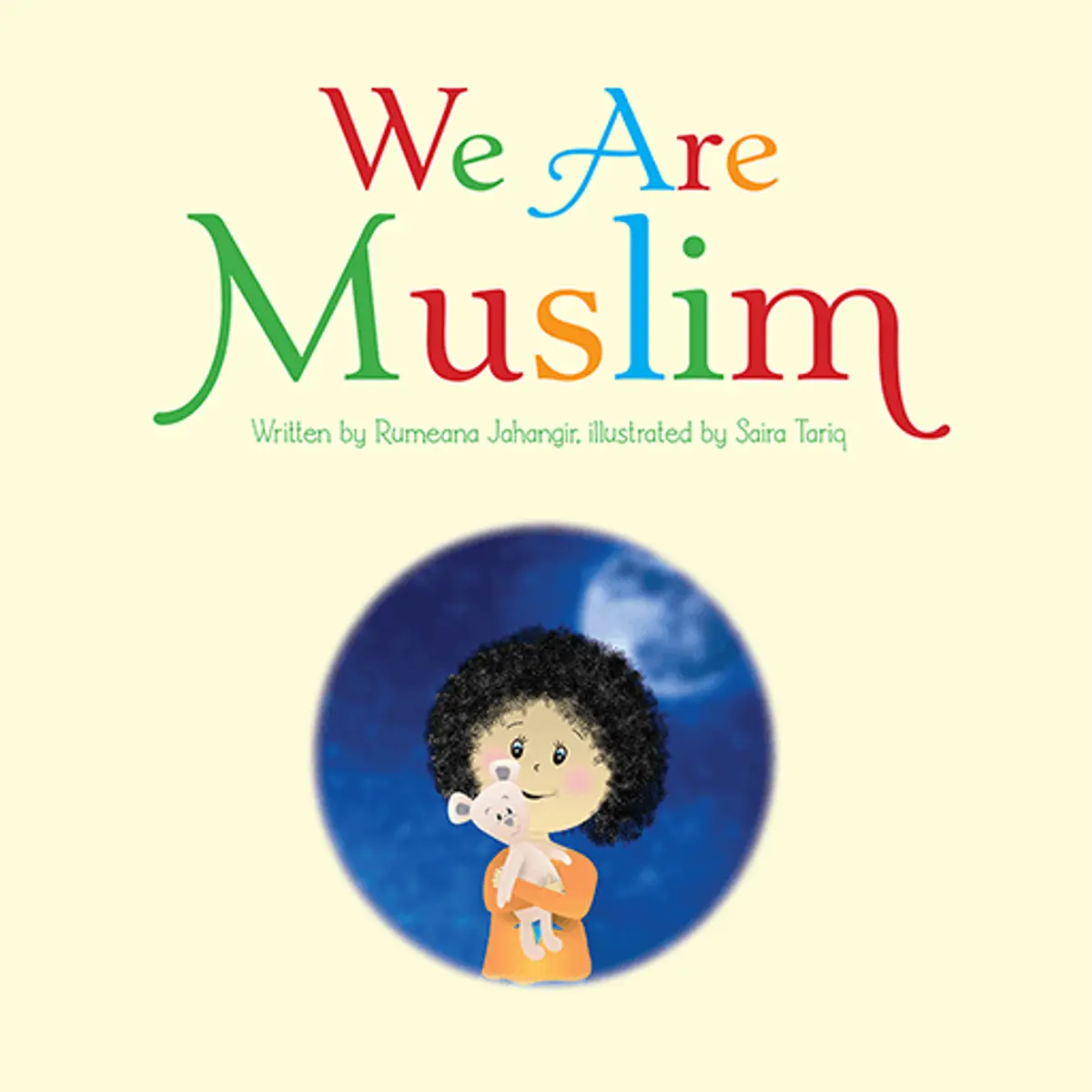
We Are Muslim is an Islamic picture book for children aged 4 to 9 about Hanna, a mixed-race British girl whose friends keep asking about her religion, and the weekend she spends finding out about her faith from her family.
"Mummy, why are we Muslim? Everyone at school keeps asking about it." "That's okay," says Mum. "It's better to ask and understand." Over breakfast, on the way to her swimming lesson, in the park and at bedtime, Hanna asks her questions, and her parents answer. Muslims believe in God, who made us and loves us. They believe in the prophets God sent to show people how to be good, like Nuh (AS) and Isa (AS), and that the last prophet was Muhammad ﷺ, who received God's messages through the angel Jibreel, gathered in the Qur'an.
Hanna learns why her mum wears a hijab, gives some of her pocket money to charity, and asks why some people do bad things, even in the name of Islam. Her dad reminds her that the word Islam is related to salam, peace. At her grandparents' house, back from Hajj, she hears about Makkah and the Kaaba, prays with her family on new prayer mats, and remembers the fast of Ramadan.
The book gives children simple words to answer their friends' questions, and helps them feel comfortable and proud of who they are. It also helps parents who are unsure how to explain their faith to young children, or to friends of other faiths.
It is written by Rumeana Jahangir and illustrated by Saira Tariq, and it is music-free.
What your child will learn
- Muslims believe in Allah, who made us and loves us.
- Allah sent prophets to call people to worship Him alone and to show them how to live, and Muhammad ﷺ was the last of them.
- The Qur'an is the holy book that holds Allah's messages to the Prophet ﷺ.
- It is good to ask questions about our faith and to understand it.
- Islam teaches us to be kind, to give charity and to make peace.
The story of We Are Muslim
Why are we Muslim?
The rain had stopped and the clouds were clearing. Hanna watched the sky brighten, then danced downstairs to breakfast, where her little brother Adam was eating his cereal. Something had been on her mind.
"Mummy, why are we Muslim? Everyone at school keeps asking me about it."
"That's okay," said Mum. "It's better to ask and understand. We're Muslim because we believe in God, who made us and loves us."
Hanna thought of her friends. "But don't Christians and Jews and people of other religions believe in God too?"
"Yes," said Mum. "We believe in the same God who looks after us." Hanna felt warm inside, knowing she shared something with her friends. There were differences, Mum explained, but Muslims also believe that God sent people to show us how to be good.
"Are they the prophets?" asked Hanna.
"Yes," said Dad. "Like Nuh (AS), called Noah in English, who rescued people and animals from a flood."
"And Jesus?"
"Yes, Isa (AS), Jesus, too," said Dad. "He said we should help the poor. We don't believe he was the son of God, but we love him as a prophet."
"So what makes us different?" asked Hanna.
"We believe the last prophet was a man called Muhammad ﷺ," said Dad. "He lived a long time ago, and he taught us to be kind and caring." God sent him messages through the angel Jibreel, called Gabriel in English. The messages tell stories of the past and teach us how to live a good life, and we read them in our holy book, the Qur'an. Hanna felt more ready to answer her friends' questions.
Angels, charity and peace
After breakfast, Hanna packed her swimming bag while Mum put on her headscarf, her hijab, a sign of her faith. As they hopped over puddles, Hanna asked whether angels were girls or boys. Neither, said Mum. Angels are not like humans: they are made of light, and they carry Allah's messages and watch over us.
After swimming, they met Dad and Adam in the park. Hanna saw people collecting money for charity, and she remembered what her parents had said about being kind, so she gave some of her pocket money.
That night, as Dad tucked her in, Hanna was troubled by something she had seen on the television. "If we're all meant to be good, why do some people do horrible things? And why do some Muslims do horrible things and say it's for our religion?"
Dad thought about it. Only they could answer that, he said, but they did not really understand the religion, or how important it is to do good, to look after each other and the world around us. "Remember this. Islam comes from the same root as salam, the Arabic word for peace. We should be people who make peace." There were many good people in the world, Muslims and others: doctors, firefighters, her teachers. Hanna felt better. "And tomorrow," said Dad, "we're seeing your grandparents. They're the best people I know."
A visit to Grandma and Grandpa
The next morning, Grandma welcomed them with the Islamic greeting, a short prayer meaning "Peace be on you", and they replied, "And peace be on you too." Hanna's grandparents had just come back from Hajj. They told stories of Makkah, the holiest place in Islam, and of praying near the Kaaba among millions of people, rich and poor, young and old, of every colour and nation.
Grandpa brought out a box of gifts: clothes, perfumes and prayer mats. "You can use them to pray to Allah with us," he smiled. Allah is the Arabic name for God, used by Muslims all over the world, and by Arabic-speaking Christians and Jews too. In their prayers they recited parts of the Qur'an, and Hanna, who was learning them by heart, copied her family as they prayed.
Afterwards, Grandma shared some sweet dates. Hanna remembered eating them in Ramadan, when grown-up Muslims do not eat or drink between dawn and sunset. Fasting helps people grow closer to Allah, Mum had told her, and feeling hungry and thirsty reminds us to give thanks for food and every good thing, because they are gifts from Allah.
That night, as Mum tucked her into bed, Hanna thought about everything she had learned that weekend. "Mummy, I like being a Muslim."
Mum winked. "So do I."
Find more stories about kindness, the Qur'an, family and charity.
Talk about it afterwards
- What questions did Hanna's friends ask her at school?
- What did Hanna learn from her mum, her dad and her grandparents?
- What would you say if a friend asked you why you are Muslim?
- How did Hanna show kindness in the park?
Words to know
- Hijab
- The headscarf many Muslim women wear as a sign of their faith.
- Qur'an
- The holy book of Islam, Allah's words sent to the Prophet Muhammad ﷺ.
- Salam
- Peace; also the Islamic greeting "As-salamu alaykum", peace be on you.
- Hajj
- The pilgrimage to Makkah that every Muslim who is able makes once in their life.
- Kaaba
- The house of Allah in Makkah, which Muslims face when they pray.
Frequently asked questions
What age is We Are Muslim suitable for?
Children aged 4 to 9. It answers the questions young Muslim children are often asked at school, in simple words.
What does We Are Muslim teach children?
The basics of Islam through one family's weekend - belief in Allah, the prophets, the Qur'an, the hijab, charity, prayer, Hajj and fasting - and how to talk about their faith with friends.
How long is We Are Muslim?
About 8 minutes to read aloud.
Does We Are Muslim have music?
No. It is music-free.