
Stories about sharing for Muslim kids
32 titles · Ages 4-9
Stories about sharing help young children learn to be fair, to give from what they have and to think of others, as Islam teaches. These Miraj videos, stories, audiobooks and games range from funny animal tales to hadith about giving.
Stories, games, audiobooks and videos about sharing
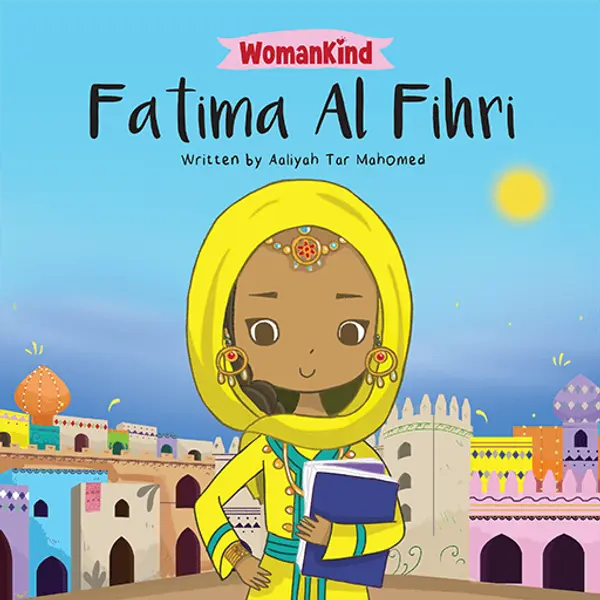
Fatima Al Fihri
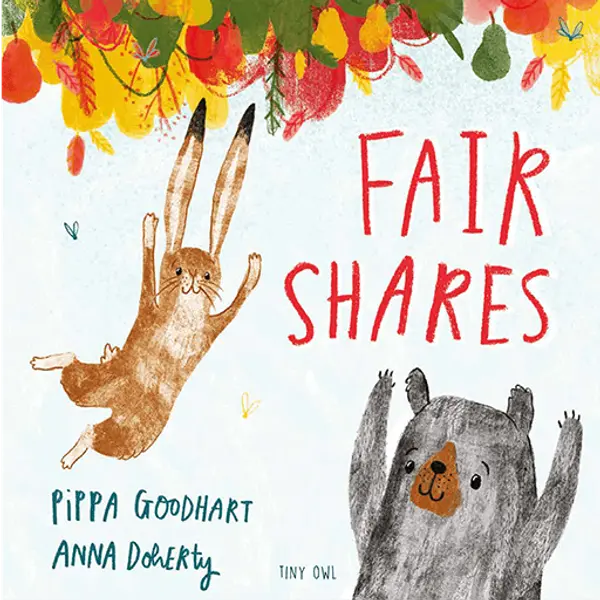
Fair Shares
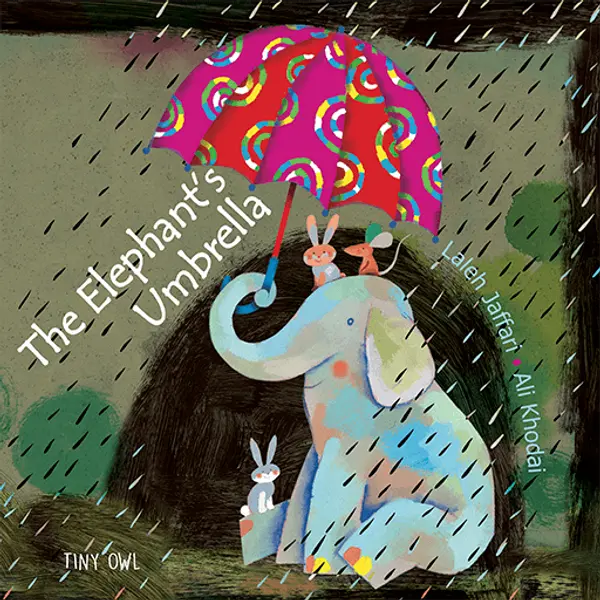
The Elephant's Umbrella
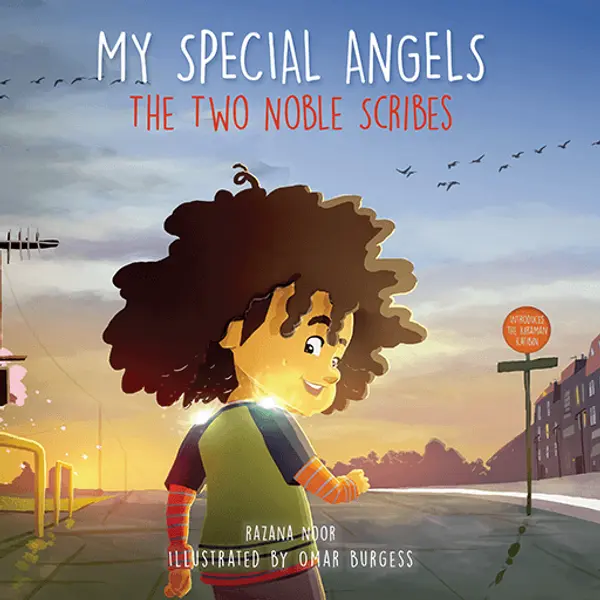
My Special Angels: The Two Noble Scribes
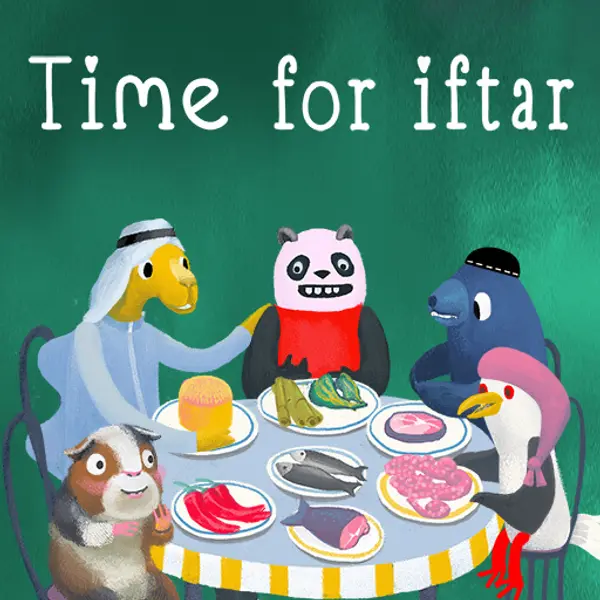
Time for Iftar
Memory Game Toys
Eid Mubarak Jigsaw Puzzle
Challenge Game Toys
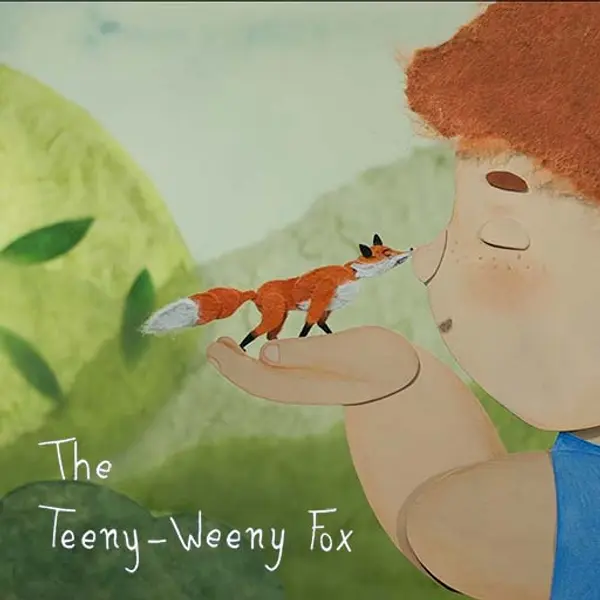
The Teeny-Weeny Fox
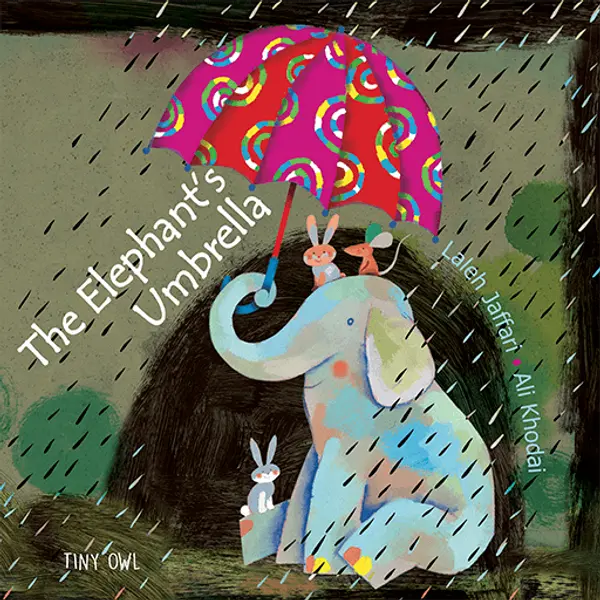
The Elephant's Umbrella
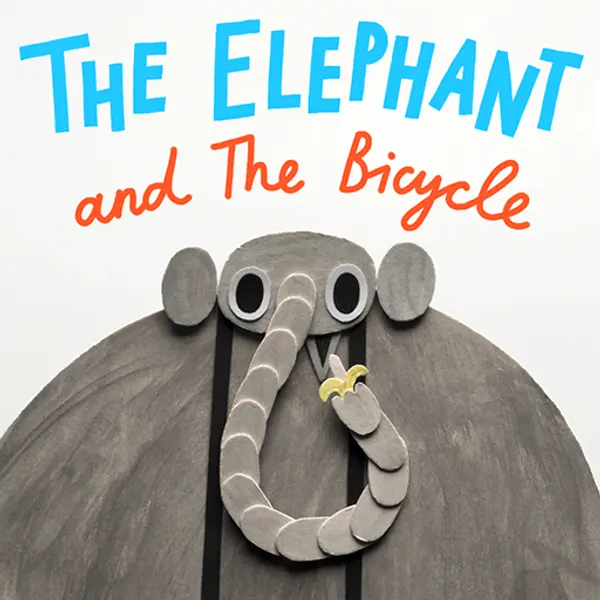
The Elephant and the Bicycle
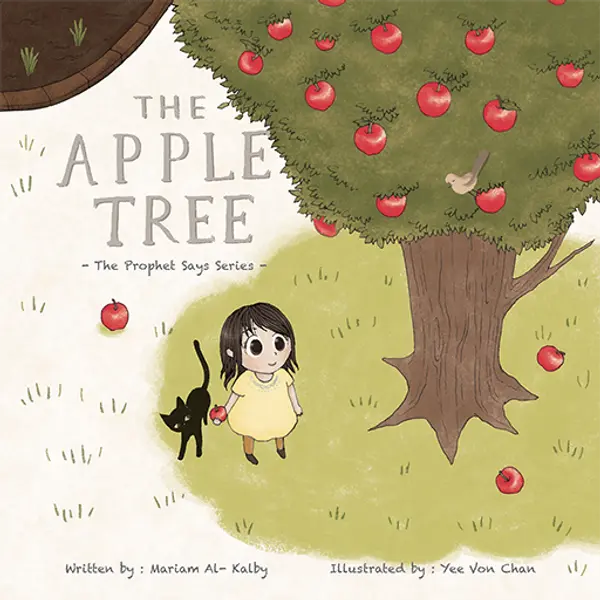
The Apple Tree
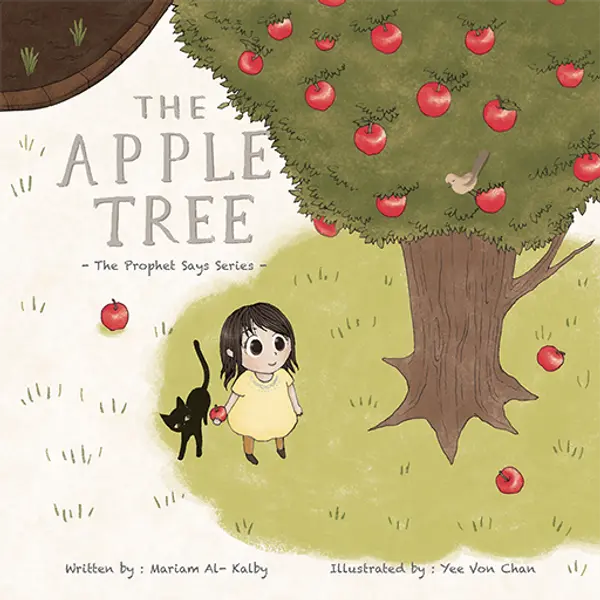
The Apple Tree
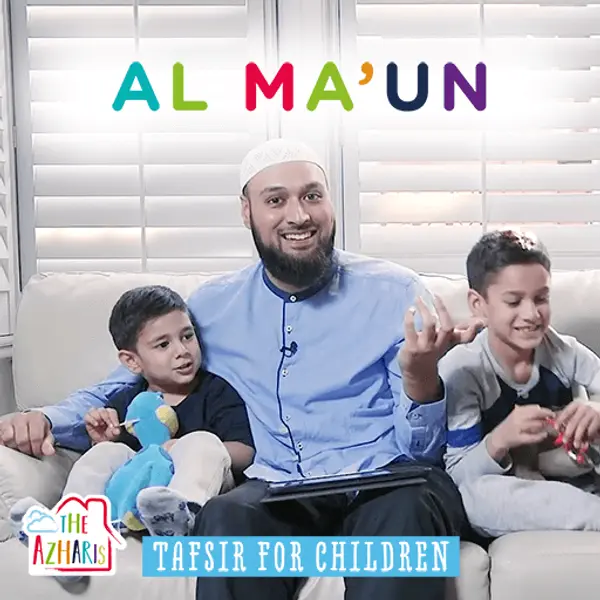
Tafseer: Surah Al Ma'un
Songs by Zain Bhikha
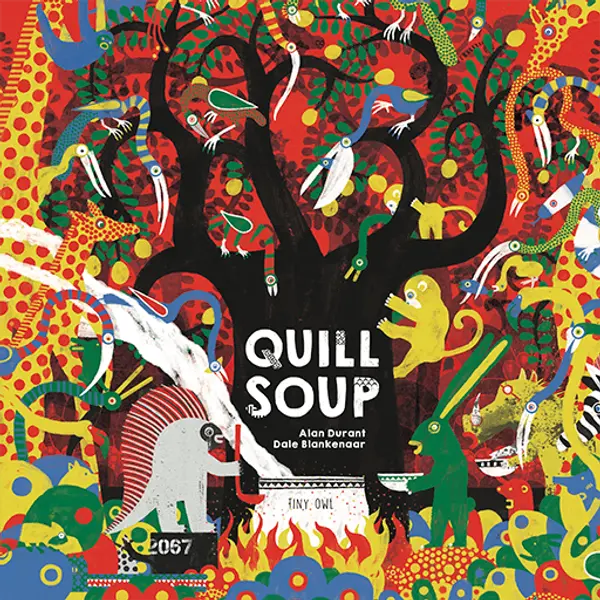
Quill Soup
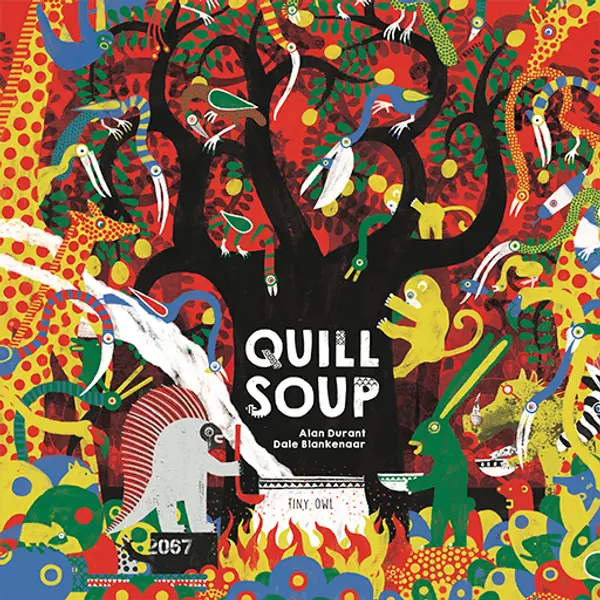
Quill Soup
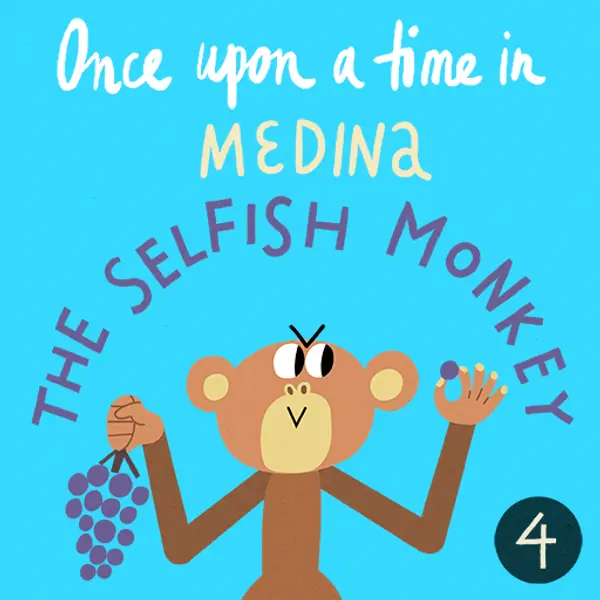
Once Upon a Time in Medina 4
Nana Asma'u
Names of Allah: Ar Raqeeb
Names of Allah: Ar Rahmaan and Ar Raheem
Names of Allah: Al Kareem
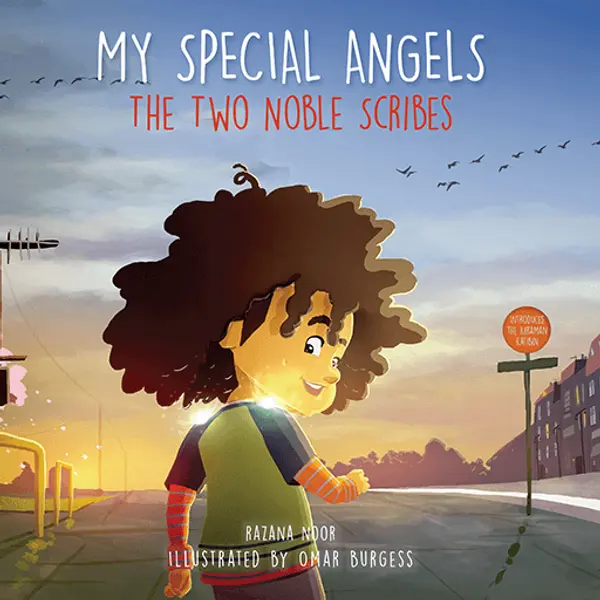
My Special Angels: The Two Noble Scribes
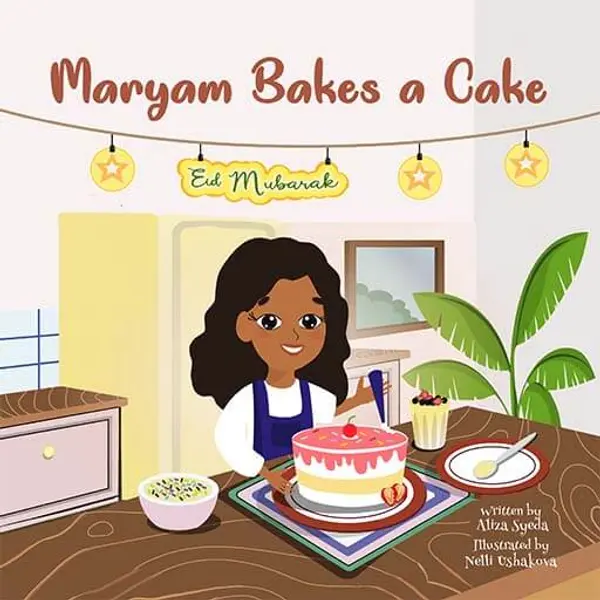
Maryam Bakes a Cake

Juz by Juz: The Sons of Adam
Juz by Juz: Ibrahim and the Angels
I Love Eid
Gloria's Porridge
Gloria's Porridge
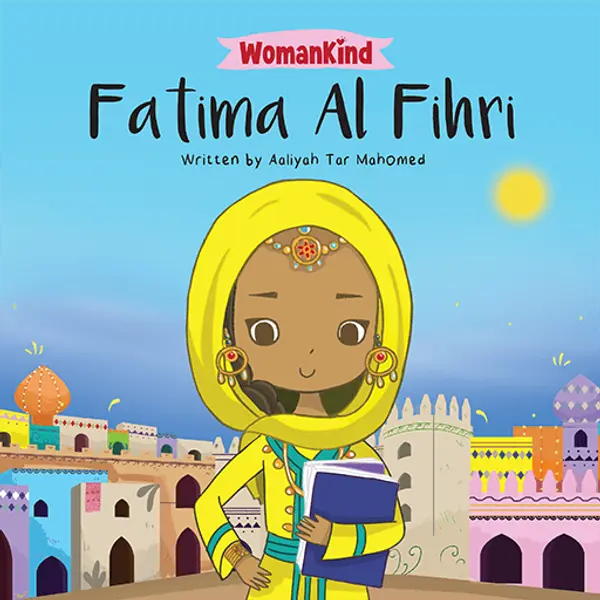
Fatima Al Fihri
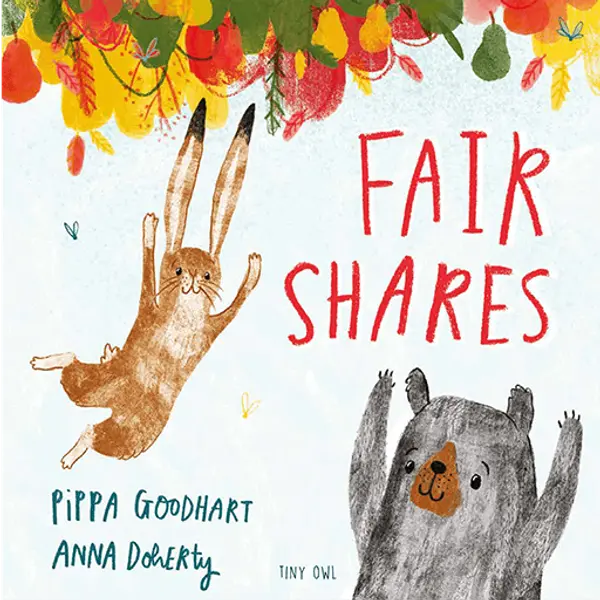
Fair Shares
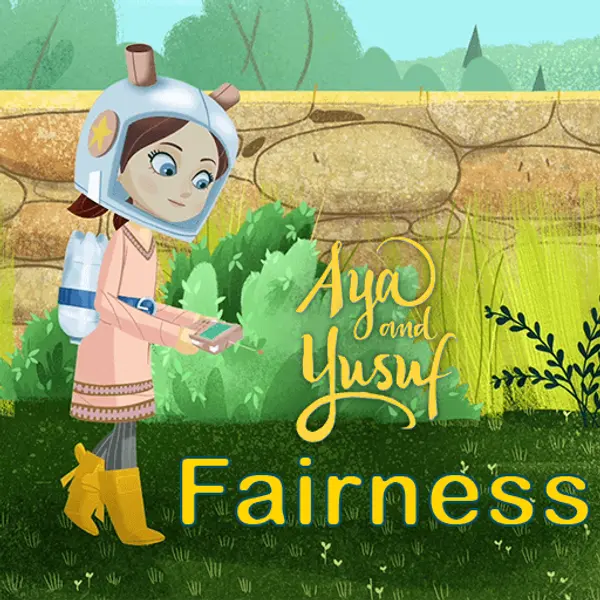
Aya & Yusuf: Fairness
Why is sharing hard, and how do stories help?
Sharing does not come easily to small children, and the titles here do not pretend it does. A hungry porcupine tricks a village that will not share into cooking a feast together. A bear and a hare learn from a beetle that fair is not always the same for everyone. A cat eats all the porridge and sets off a chain of chaos, and in two wordless films greed ends badly while giving brings a happiness that lasts.
Islam gives the reason behind it. The Prophet ﷺ said that none of us truly believes until we want for our brother what we want for ourselves. In one animated story a selfish monkey sees the Prophet ﷺ pass his drink to those on his right. In others, a girl learns about zakat and gives away her balls as sadaqah, and a hadith about planting trees helps Shaima share the apples she grew with Baba. The Names of Allah videos add that charity never makes us poorer.
Every title's page sets out its lessons and suggests questions for afterwards, such as how to share out something that cannot be split evenly.
Key lessons children take from these stories, games, audiobooks and videos
- Learning is a gift, and Islam encourages us to seek knowledge.
- Being fair means everyone getting what they need, not always the same thing.
- The things we have are best used to help others.
- Allah gave every person two angels who write down their deeds.
- Iftar is the meal that breaks the fast at sunset in Ramadan.
- Every toy has a name and a shape we can learn.
Related themes
Other themes
Frequently asked questions
What does Islam teach children about sharing?
It teaches that sharing is part of faith: the Prophet ﷺ said none of us truly believes until we want for our brother what we want for ourselves. Giving to people in need, welcoming guests and even planting a tree others can eat from all count as good deeds.
My child will not share toys. Can stories help?
Yes. A story lets a child watch a character be selfish and see how it turns out, without feeling told off. The toy games here also carry the lesson of taking turns, which you can practise at the next playdate.
Is being fair the same as giving everyone the same?
Not always. In one picture book, a beetle shows a bear and a hare that fair means everyone getting what they need. The Aya & Yusuf episode on fairness adds that being fair means standing up for what is right, even when someone we love is in the wrong.
Try Miraj free for 7 days
Every story, game, audiobook and video in the library, for Muslim children aged 4–9. Ad-free, scholar-reviewed, offline downloads, and a no-music mode.